

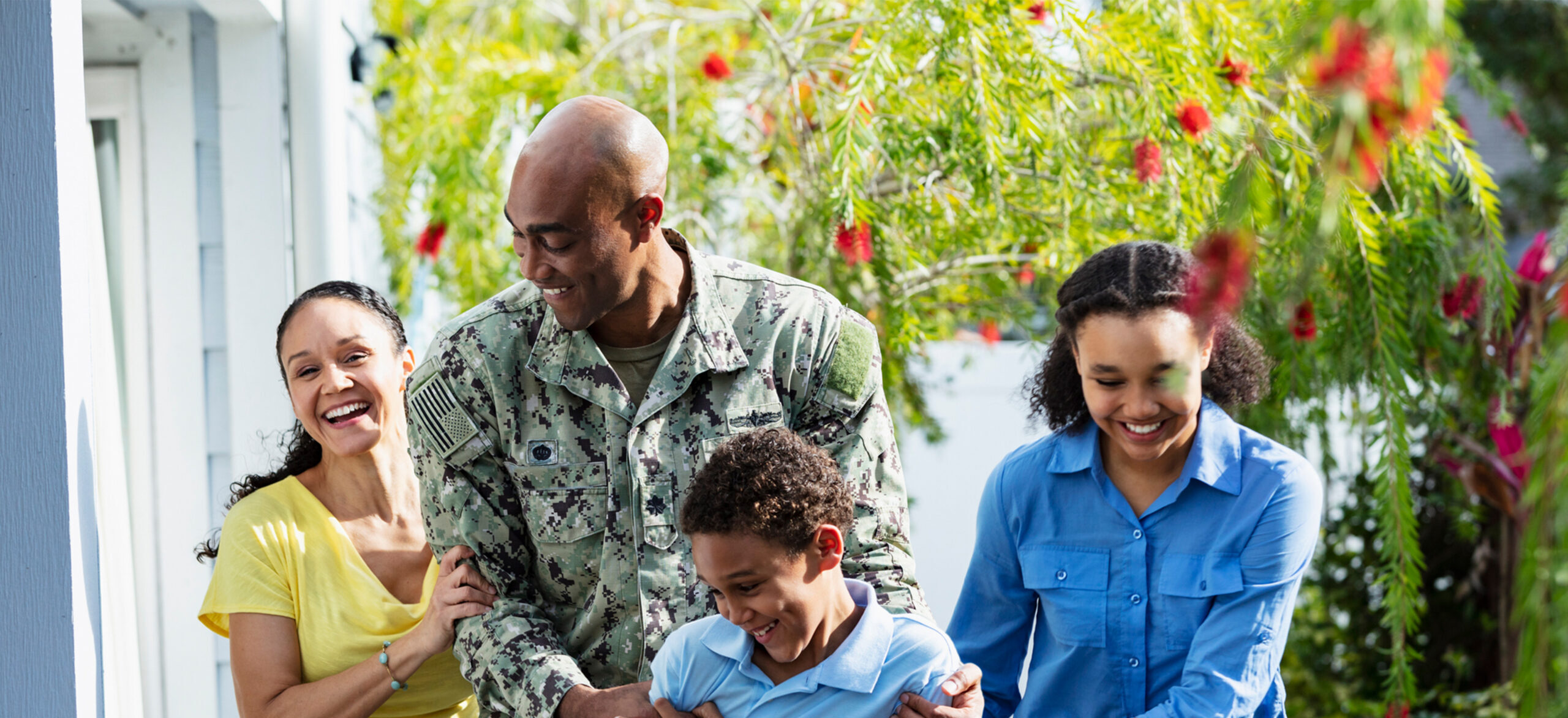
When a service member transitions from military to civilian life, it’s not just a career change but a major life shift that affects the entire family. For many veterans, the move from a structured, mission-driven environment to civilian routines can feel overwhelming, so spouses, parents and children often play a vital role in supporting veterans as they navigate new routines, responsibilities and goals.
Here are some ways families can help make the transition smoother and more successful:
1. Encourage Open Communication
Transition brings a mix of emotions: pride, relief, uncertainty and sometimes even loss. Veterans may feel pressure to “have it all figured out” immediately, but the truth is that adjusting takes time. Families can help by creating a safe, open space for conversation.
Encourage your loved ones to share their experiences and feelings—whether it’s frustration with job hunting or excitement about a new goal. Honest dialogue helps prevent misunderstandings and keeps everyone connected as you navigate this new change together.
Tip: Jacksonville has a strong network of peer and family support. Consider connecting with the Wounded Warrior Project (headquartered right here in Jacksonville) for both veteran and family counseling programs.
2. Understand the Cultural Shift
The military has its own language, routines and sense of community. Leaving that environment can create what some call “reverse culture shock.” Civilians might not fully grasp the values or experiences that shape military life, which can make veterans feel out of place.
Family members can be supportive by learning about this cultural adjustment and validating their perspective. Attend family education sessions through organizations like Operation New Uniform or the Jacksonville Vet Center. The more you understand the structure and identity that military life provides, the better you’ll be able to empathize and help your loved one build a new sense of belonging.
Tip: The University of North Florida’s Military and Veterans Resource Center offers educational workshops and family programs that help bridge the gap between military and civilian life.
3. Support Career and Education Goals
A major part of transitioning involves finding new purpose through employment or education. The skills veterans bring—leadership, discipline and teamwork are invaluable, but translating those abilities into civilian career language can be challenging.
Families can help by brainstorming job ideas, reviewing résumés or researching educational programs. Explore GI Bill benefits or workforce resources that specialize in helping veterans transition into civilian careers. Many organizations, such as Hiring Our Heroes and local CareerSource centers, offer free guidance, training and connections to veteran-friendly employers.
Tip: CareerSource Northeast Florida provides free career counseling, résumé workshops and veteran-specific hiring events across the region. The City of Jacksonville’s Military Affairs and Veterans Department also offer career and benefit navigation support.
4. Help Build a New Routine.
The military provides a clear structure, while civilian life can feel less defined. Work together to create a new routine that includes physical activity, time with family and social opportunities. Encourage loved ones to maintain physical fitness, dedicate time to job searching or skill-building and prioritize family activities.
Tip: Northeast Florida’s natural beauty makes it easy to get active. Try hiking at Kathryn Abbey Hanna Park, kayaking on the St. Johns River or joining local recreational sports leagues through JaxParks to establish new rhythms and connections.
5. Be Mindful of Mental Health.
The emotional side of transition can be complex, therefore it’s essential to approach these challenges with compassion and openness. Counseling can be beneficial to veterans who may experience stress, anxiety or symptoms of post-traumatic stress disorder (PTSD). Families can also benefit from counseling, especially when adjusting to new roles and dynamics. Remember, when one family member serves, the entire family serves—and when one transitions, the whole family transitions.
Tip: Some local resources that can be of use include the Jacksonville Vet Center, which offers confidential counseling for veterans and their families; Steven A. Cohen Military Family Clinic at Centerstone provides mental health services to veterans and family members regardless of discharge status and 988 Veterans Crisis Line – Dial 988, then press 1 for immediate support 24/7. Remember that seeking help is a sign of strength, not weakness. Taking care of mental health benefits the entire family.
6. Build a New Community Together
A strong support network is crucial. The sense of camaraderie veterans experience in the military can be hard to replace, but new communities can provide that same sense of belonging. Attend local veteran events, volunteer or join organizations that bring veterans and families together. Shared experiences and friendships can make the adjustment feel less isolating.
Tip: Five STAR Veterans Center (Jacksonville) helps veterans reintegrate and offers family involvement opportunities. Team Red, White & Blue Jacksonville Chapter hosts regular fitness, volunteering and social activities. USO Jacksonville provides ongoing family events, holiday programs and local resources for transitioning military members.
7. Celebrating Every Milestone
Transitioning from military to civilian life is not a single event; it’s a journey. Every step forward deserves recognition. Celebrate achievements like completing a DOD SkillBridge training course, landing a new job or even just sticking to a new routine. These milestones build confidence and remind your loved one of their resilience.
Take pride in the progress your family makes together. Transition is rarely smooth or predictable, but with patience and teamwork, it can lead to new opportunities and a stronger sense of unity.
Your love and support make a profound difference in helping veterans thrive after service. By staying patient, informed and connected, your loved ones can build a fulfilling civilian life—while strengthening your family along the way. Find other helpful resources for veterans and their families on Earn Up.