

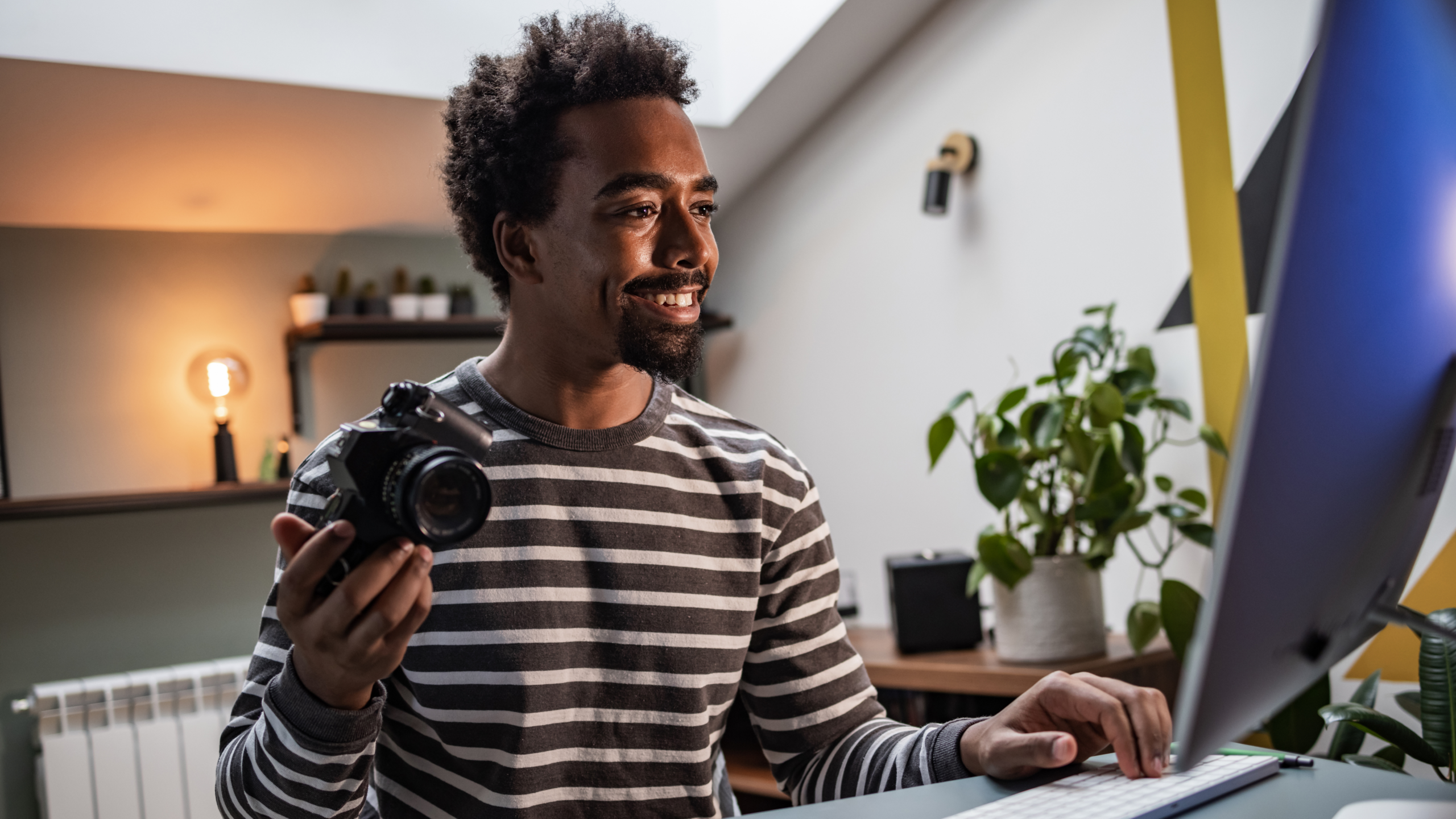
Turning hobbies into careers is no longer a rare outcome—it has become a realistic and strategic path for students exploring life after high school or college. With digital platforms, flexible work opportunities and evolving career landscapes, hobbies that once existed outside the classroom can now translate into income and long-term professional growth.
For students balancing academics, extracurriculars and social life, hobbies often begin as creative outlets. Over time, these interests can develop into valuable, marketable skills. The difference today lies in access—tools and platforms make it easier than ever to grow and monetize these skills.
Identifying Career Potential in Everyday Hobbies
Many hobbies already align with real-world career paths. Creative pursuits like photography, video editing and design build technical and storytelling skills. Activities like gaming, writing or fitness develop discipline, consistency and niche expertise. For example, a student interested in content creation can use platforms like TikTok or YouTube to build an audience. A passion for visual design can evolve into freelance work using tools like Adobe Creative Cloud while showcasing projects on Instagram. Recognizing the transferable skills behind hobbies is the first step in turning them into career opportunities.
Building Skills and Gaining Experience
Turning a hobby into a career requires intentional effort. Skill development and real-world applications are essential. Students can strengthen their abilities through accessible online learning platforms like Coursera or Skillshare, which offer courses in everything from coding to marketing to creative design. Creating a portfolio—whether a social media page, website or digital collection of work—helps demonstrate skills to potential employers or clients. Even small projects, internships or collaborations can build credibility over time.
Popular Hobby-to-Career Pathways for Students
- Content Creation & Social Media – Short-form videos, vlogs and niche content can lead to brand partnerships, ad revenue and personal branding opportunities. Consistency and creativity often matter more than formal experience.
- Gaming & Esports – Gaming has evolved into a multi-billion-dollar industry. Students can explore competitive play, streaming on Twitch or collegiate opportunities through organizations like NCAA Esports. Career paths also include game design, marketing and community management.
- Writing & Content Development – Students who enjoy writing can publish blogs, opinion pieces or creative work or secure freelance projects. These experiences can lead to careers in marketing, journalism or communications.
- Fitness & Wellness – A passion for health and fitness can evolve into coaching, content creation or brand partnerships. Certifications from organizations like the National Academy of Sports Medicine provide credibility and open professional pathways.
- Baking, Cooking & Food Content – A love for cooking or baking can turn into catering or even product-based businesses. Students often start by sharing recipes or food reviews on TikTok or YouTube, eventually monetizing through sponsorships, pop-up events or online businesses.
- Sports & Coaching – Athletes or fitness enthusiasts can move into coaching, personal training or sports management. Beyond playing, opportunities exist in analytics, marketing and media within the sports industry. Certifications and volunteer coaching roles often serve as entry points.
- Music & Audio Production – Students who enjoy making music, DJing or producing beats can turn that passion into careers in production, sound engineering or artist development. Platforms like SoundCloud and GarageBand allow creators to share work and build an audience. Over time, this can lead to freelance production, licensing music or working with artists and brands.
- Event Planning & Organization – Students who enjoy planning parties, coordinating schedules or leading group projects can translate those skills into event planning, project management or hospitality careers. Starting with campus events or student organizations builds experience that can lead to internships and professional roles.
The Power of Networking and Community
Connections often play a major role in turning interests into opportunities. Engaging with online communities, campus organizations or local groups can lead to collaborations and mentorship. Platforms like LinkedIn allow students to connect with professionals, discover internships and stay informed about industry trends. Participation in student organizations or regional events can also provide valuable exposure and hands-on experience.
Remember: not every hobby needs to become a full-time career. For many students, keeping a passion as a side hustle provides flexibility, extra income and creative freedom without added pressure–this approach also allows time to explore multiple interests before committing to a single career path.
Redefining Career Paths
Career journeys are no longer one-size-fits-all! For today’s students, hobbies are potential steppingstones toward meaningful careers. By developing skills, leveraging digital platforms and utilizing available resources, students can transform passions into opportunities. What begins as a simple interest can grow into a powerful foundation for future success in an evolving workforce. Earn Up is the go-to resource hub for all things career pathways and industry knowledge and it plays a vital role in supporting young professionals across the region.