

Life Sciences

INDUSTRY
COMPANY/PROGRAM
Guidewell

You may ask yourself if this role is too good to be true: working 9 months on and three months off all while receiving full benefits, paid time off, and incentive bonuses? A job where you can self-select to go full time, or remain on the schedule above? A job where you can pursue educational opportunities on the “off” time while still having access to a variety of amenities such as golf and basketball to stay healthy as well as continued networking with other colleagues?
This role exists and is in demand at GuideWell.
Member Care Specialist is a key role in meeting the mission of “helping people and communities achieve better health.” Each day, the Member Care Specialist handles between 20 to 40 consecutive calls of potential, new and existing customers which include individual members, group members, business decision makers and agents. Collectively, they receive 10 thousand calls on a slow day and 30 thousand calls on a busy day. Each call taken helps meet the hospital’s mission.
Member Care Specialists have one of the most critical roles in that they interface with the public on the company’s behalf. They’re helping to navigate a complicated system and ensure that members understand how to use their benefits. They also resolve inquiries and process transactions.
When the job was initially created, previous call center experience was required. However, the HR team soon realized they needed individuals with a collaborative, customer service background which could include retail or volunteering. George Cross, Sr. Director, Member Service Center indicated, “These roles turn into professional translators. You are learning another language of medical and insurance terminology. For example, co-pays versus deductibles. What is the difference between oncology and hematology? What is primary care? What constitutes a specialty drug? Your job is to listen to the situation and translate it into the customer’s situation. How good are you at this translation process?” Good customer service involves listening skills and being able to articulate ideas that may seem intimidating to members.
Being able to respond to member calls involves not only a thorough understanding of their plan’s features and benefits, but ultimately involves truly caring about each unique situation. Cross recognizes the importance of “a heart for service. I can teach you the technical knowledge, but I can’t teach you to care. If you like helping people and solving problems, this can be a long-term career path.”
A genuine interest in helping people will allow Member Care Specialists to succeed, particularly when they learn to apply empathy and listening skills to various situations. For example, learning to ask questions is essential. Cross said, “You can’t assume anything. You need to know the entire context of the situation. Someone could be calling in to get a new ID card. You don’t know if they just lost it or are taking their child to the hospital and are afraid they’ll be denied care. It’s important to ask good questions to lead people to answers.”
This position can serve as a launching pad for additional opportunities within the organization as well. Many examples exist throughout the organization of individuals who began on the phones and were promoted to other positions after several years. Ultimately, the Member Care Specialist role affords individuals to develop critical skills that impact members as well as their professional colleagues while truly helping others.
More Life Sciences Spotlights

Stacey Nemeth
Stacey Nemeth
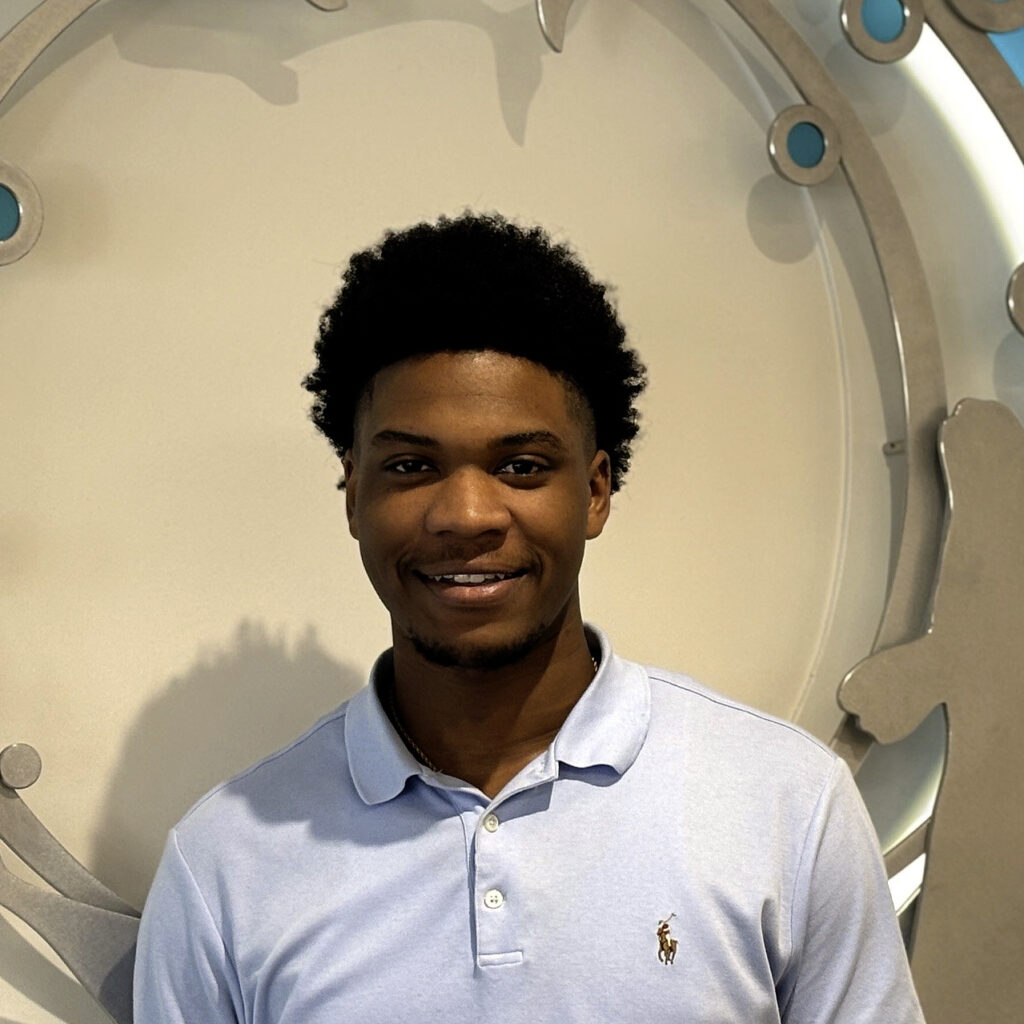
D’Angelo Williams
D’Angelo Williams

Amber Gainer
Amber Gainer

Christopher Carter
Christopher Carter

Lorraine De Chavez
Lorraine De Chavez
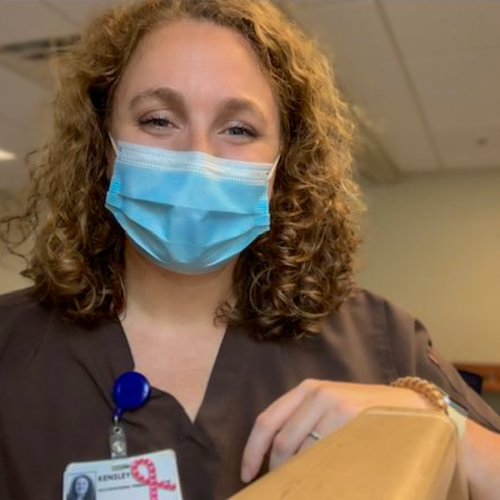
Kensley Hoover
Kensley Hoover
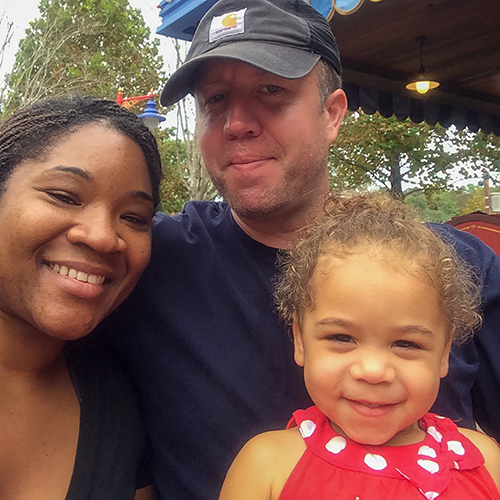
Loveann Burch
Loveann Burch
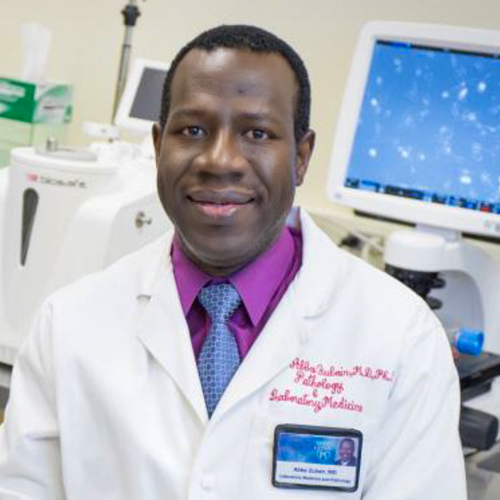
Dr. Abba Zubair, MD, PhD
Dr. Abba Zubair, MD, PhD

Brad Nazworth
Brad Nazworth
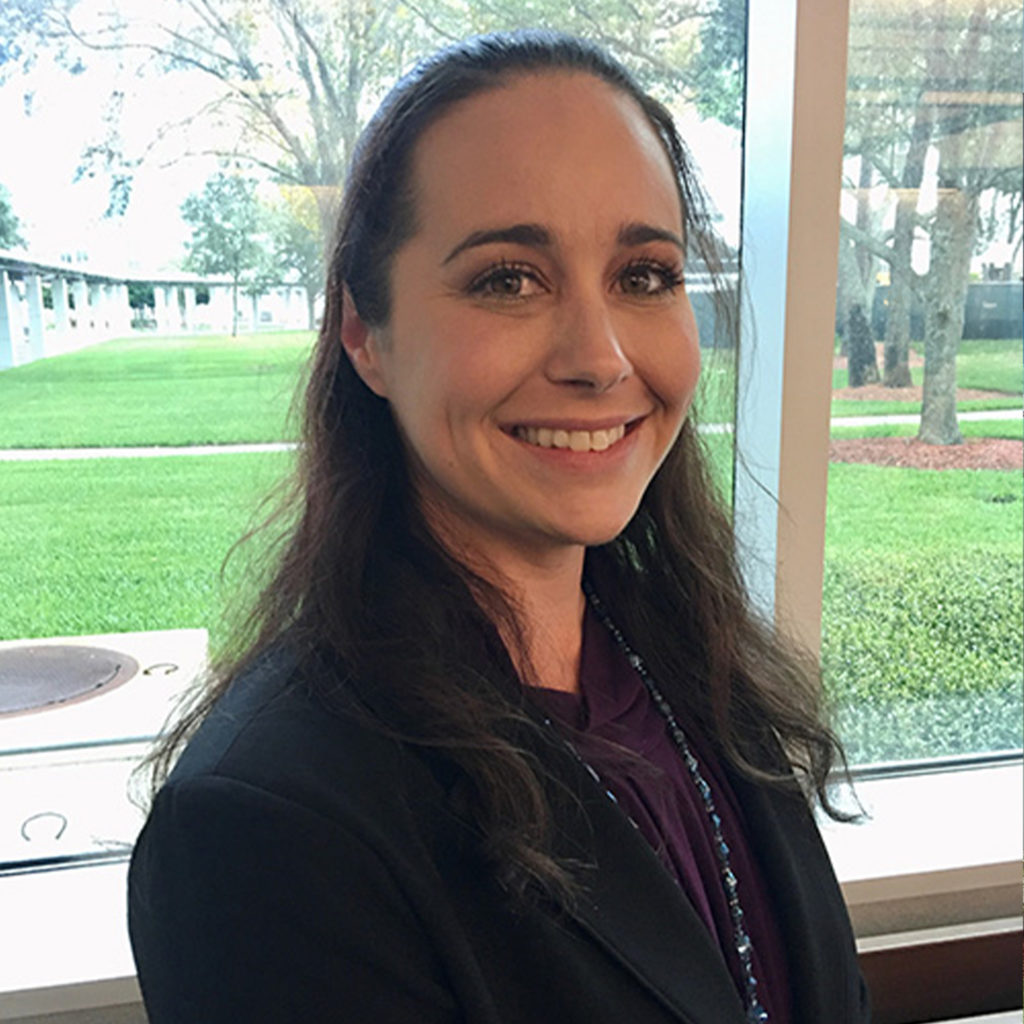
Stacey Prince
Stacey Prince
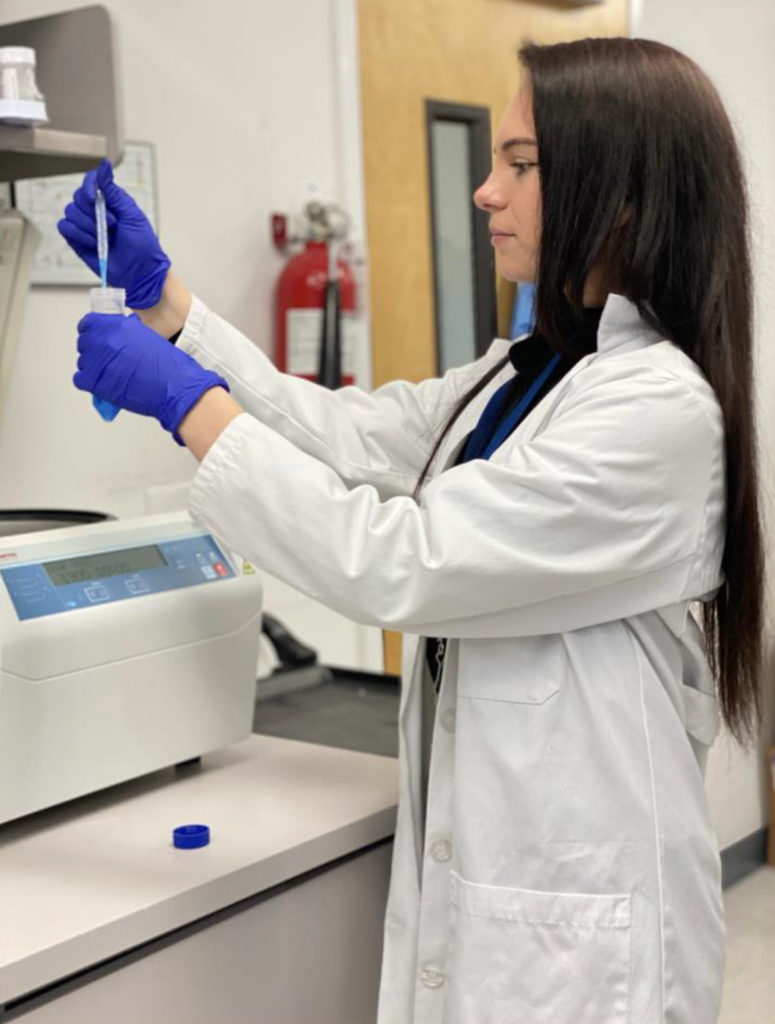
Sarah Elam
Sarah Elam
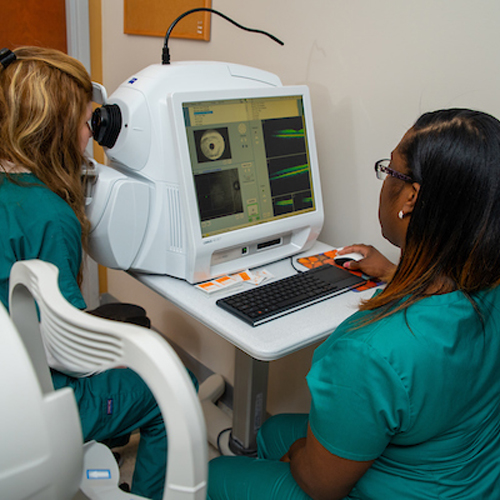
Opthalmic Technician Program
Opthalmic Technician Program

Matthew Steinmetz
Matthew Steinmetz
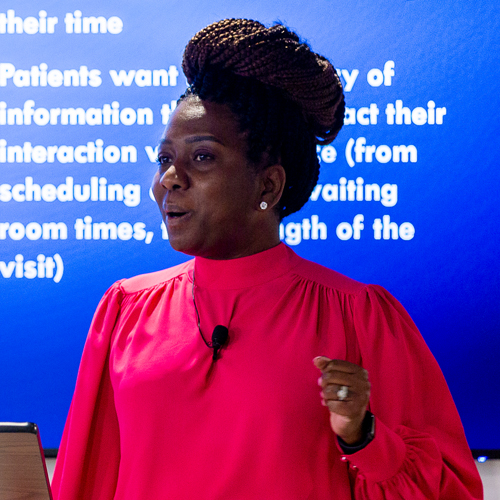
Kat Hasanovic
Kat Hasanovic
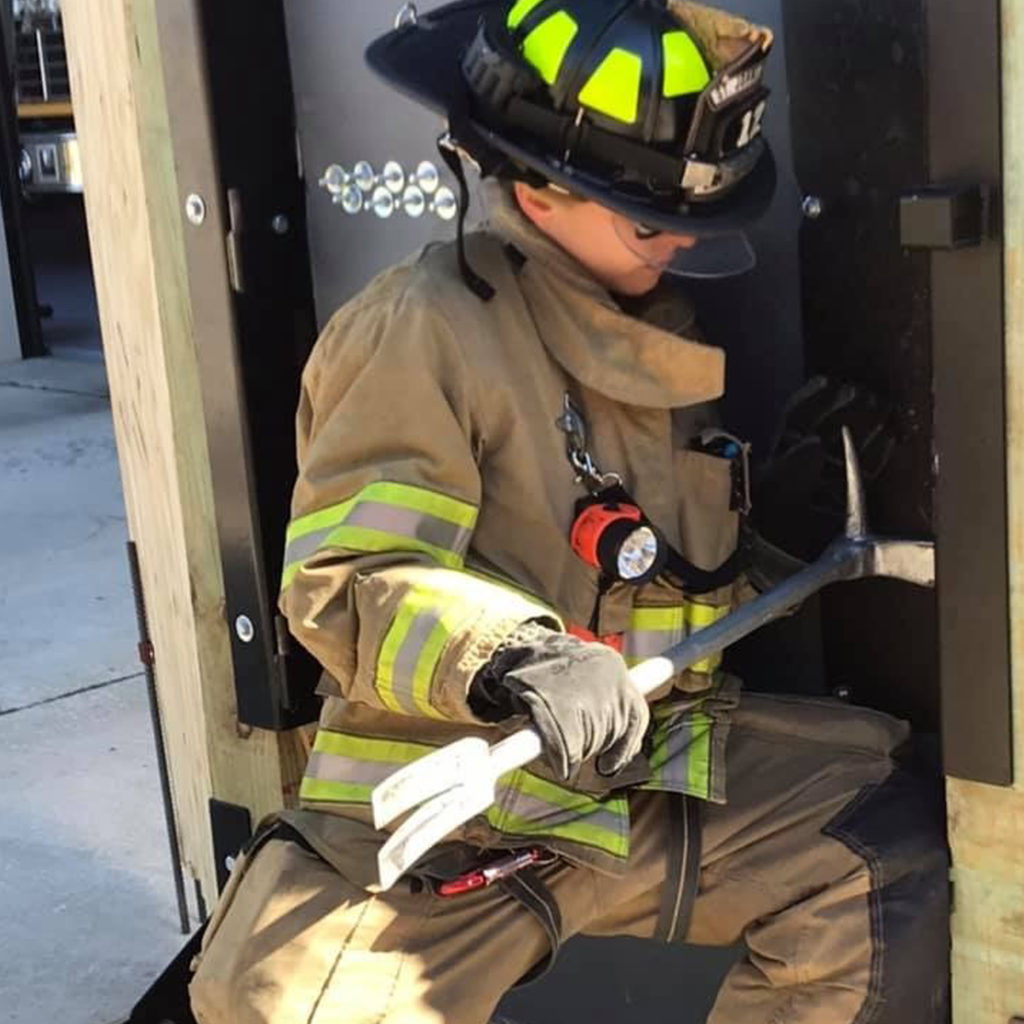
Sammie Fendig
Sammie Fendig
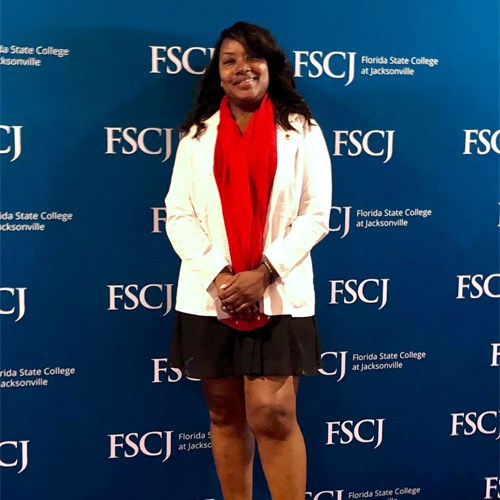
Almira
Almira
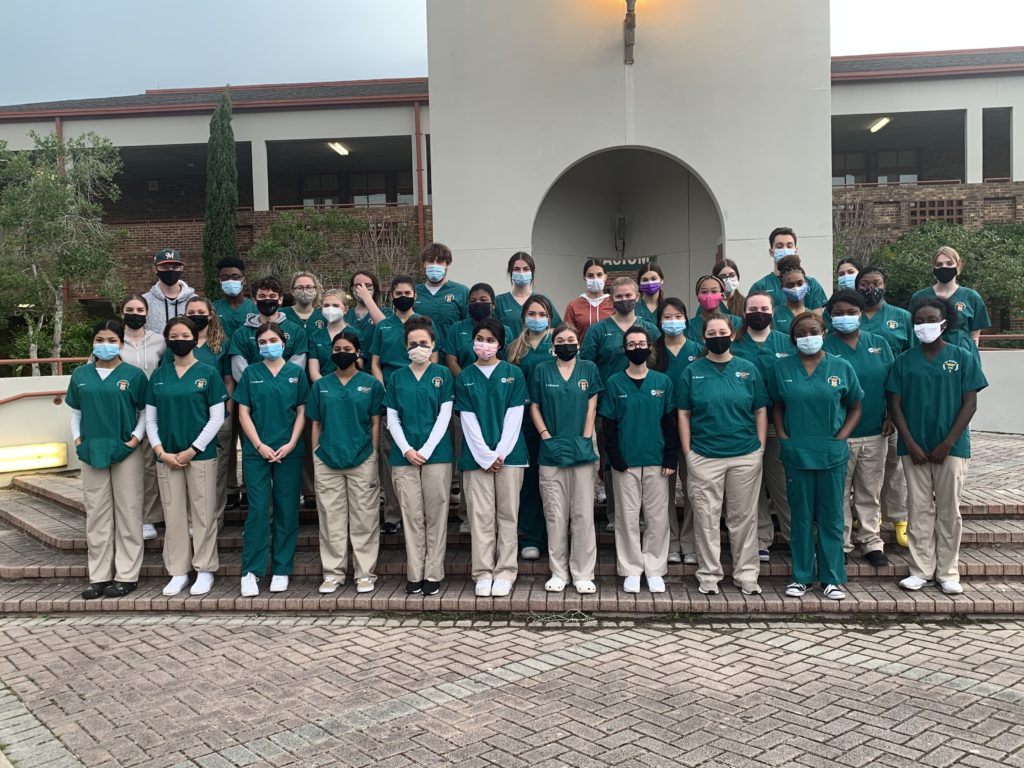
Mandarin High School Health Science Academy
Mandarin High School Health Science Academy
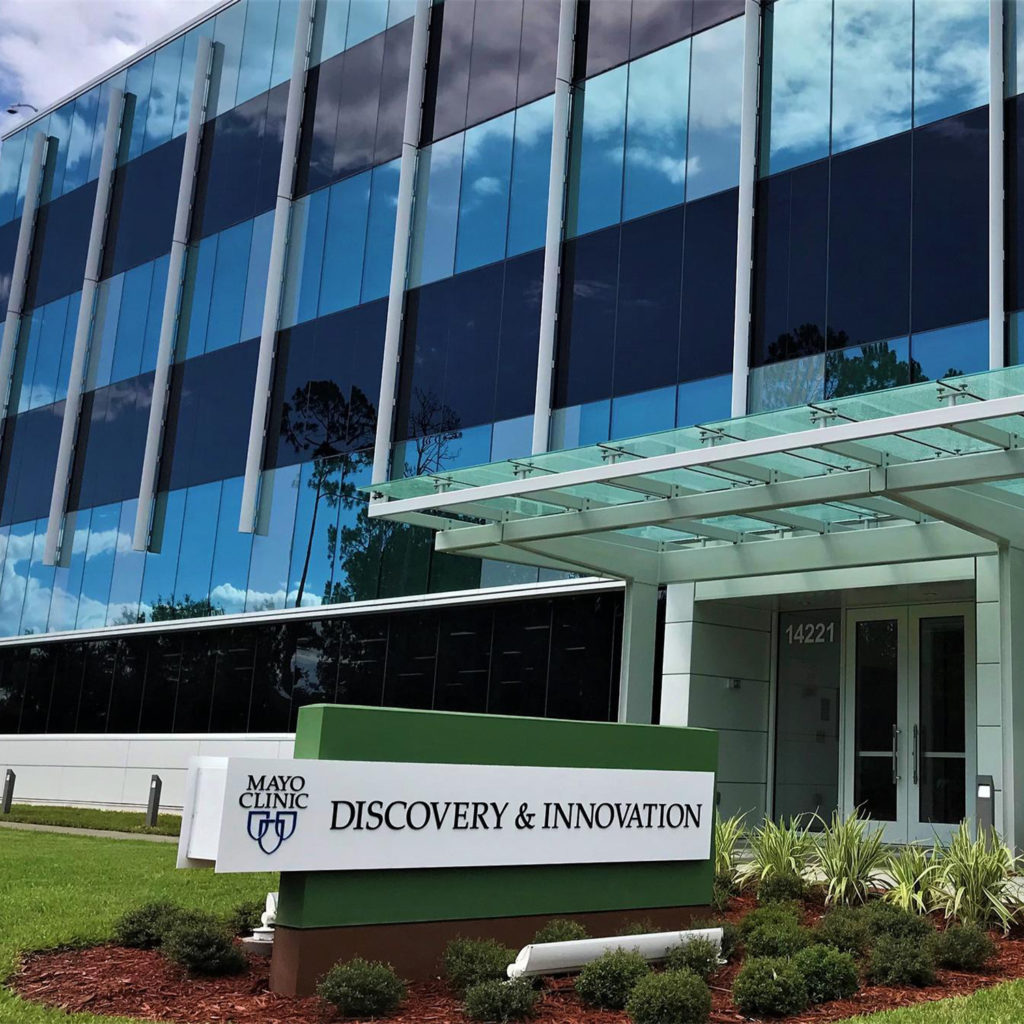
Brandi Zofkie