

Physician’s Assistant (PA) degree program

TITLE
INDUSTRY
Life Sciences
COMPANY
Florida State College at Jacksonville

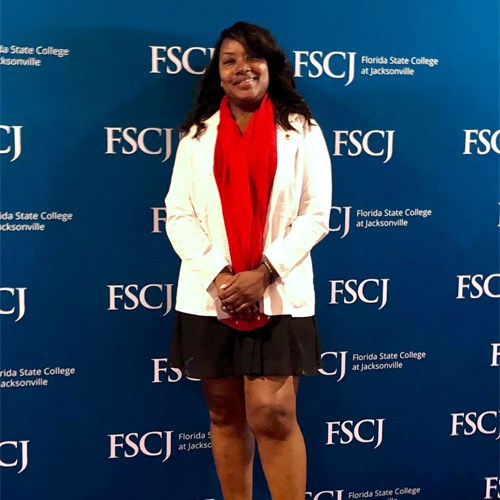
Loveann Burch entered the U.S. Navy a month after high school graduation and served for 14 years. In 2006, she qualified to advance to the medical personnel team, serving as a Corpsman in Orthopedics. This role is similar to a medical assistant, but with additional responsibilities.
In preparation to transition out of the military, Loveann began exploring educational options. She had taken college coursework throughout her career and wanted to transfer those credits. After careful research, Loveann chose the Biomedical program at Florida State College at Jacksonville (FSCJ), earning a bachelor’s degree in 2018.
The program involves chemistry, anatomy, biology, physics, statistics, organic chemistry, quantitative analysis, scientific writing, critical thinking and communication. Loveann’s hands-on military experience set her up for success, as did the program’s format.
Loveann took hybrid classes, a combination of evening in-class labs and online coursework. As such, she began taking classes prior to fully transitioning out of the military service. This flexibility allowed her to balance family, work, and school commitments. An on-site counselor at the Navy college provided support in navigating both college and military cultures. “They went above and beyond to provide access,” Loveann says.
Loveann didn’t initially intend to utilize the articulation agreement between FSCJ and Nova Southeastern University. However, she decided to take advantage of this unique opportunity and applied for the competitive Nova’s Physician’s Assistant (PA) degree program. Loveann was accepted and will graduate in 2022.
After graduating from Nova, Loveann plans to serve as a Physician’s Assistant in Pediatric Orthopedics. She began orthopedic work in the Navy but also enjoys working with children. She’ll be able to assist babies with club feet and help set broken bones. She says, “Children have such a great bounce-back.” Loveann enjoys the pace of the Emergency Room, rushing in to assist patients with trauma, followed by assisting in the Operating Room. As a PA, she’ll assist throughout the multidimensional process of providing care.
Loveann shares, “Anywhere there’s a physician, you can work as a PA.” She was drawn to the field because her career pathway mirrors that of the military, with its emphasis on work-based learning. PA’s learn by doing. Loveann states that, “Unlike a Nurse Practitioner, a PA can learn a new specialty from a doctor first-hand rather than returning to school for several years. If you need a change of pace, feel burned out or have a lifestyle change, you have options. A doctor will make sure you are completely qualified in that aspect of the medical field. Looking at photos in a book and reading about an experience are very different than encountering a situation with a real person.”
Loveann’s Biomedical training will ensure an interesting career pathway. “It’s a great fit.”
More Life Sciences Spotlights

Stacey Nemeth
Stacey Nemeth
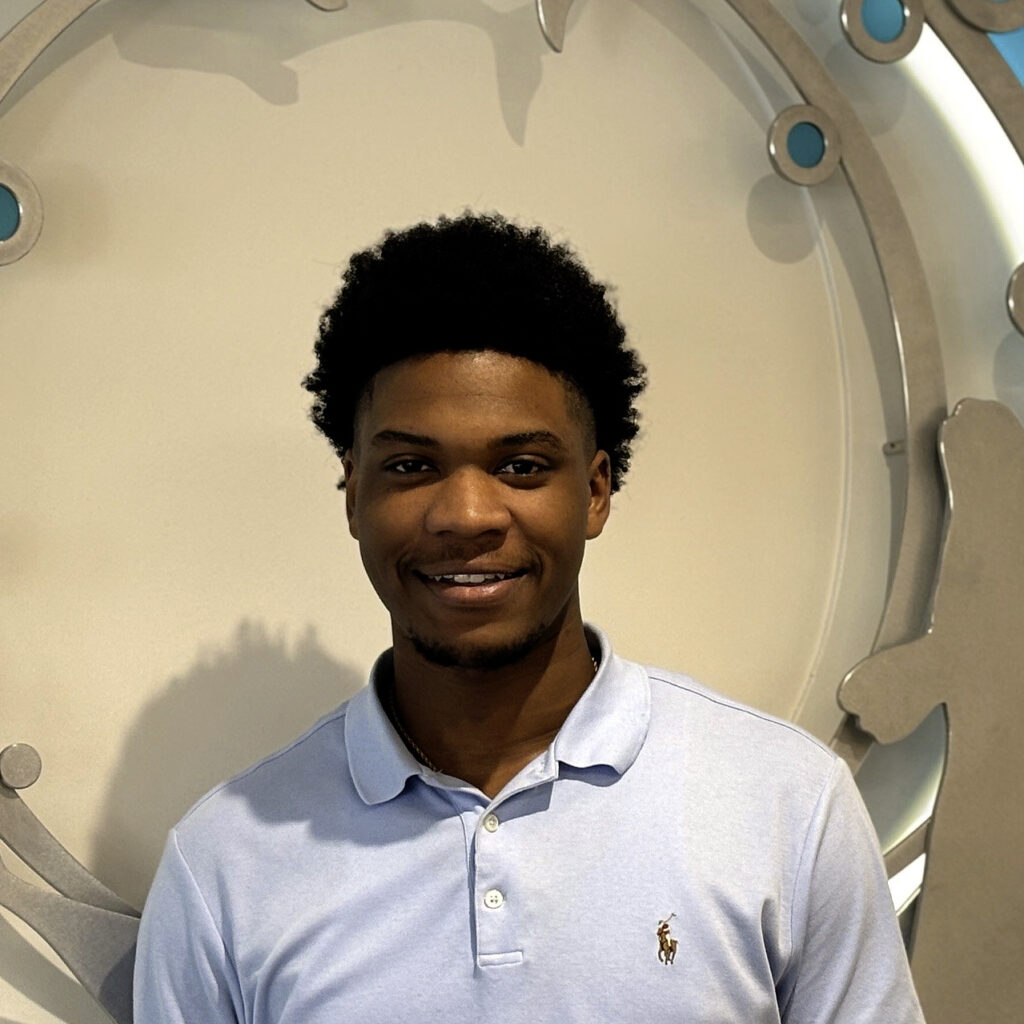
D’Angelo Williams
D’Angelo Williams

Amber Gainer
Amber Gainer

Christopher Carter
Christopher Carter

Lorraine De Chavez
Lorraine De Chavez
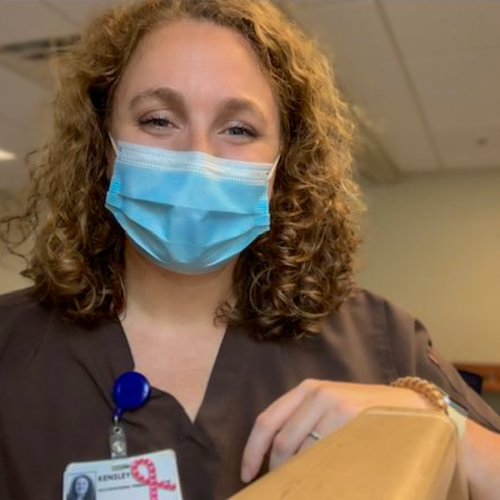
Kensley Hoover
Kensley Hoover
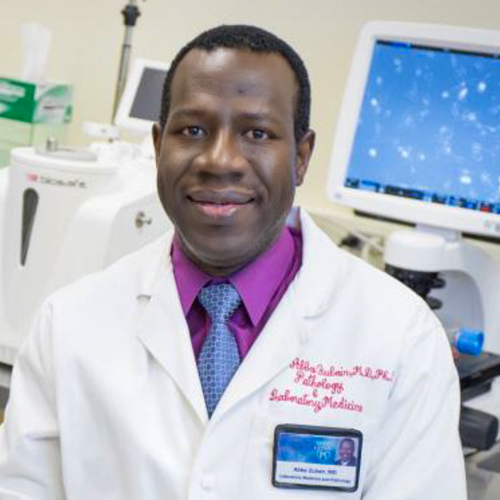
Dr. Abba Zubair, MD, PhD
Dr. Abba Zubair, MD, PhD

Brad Nazworth
Brad Nazworth
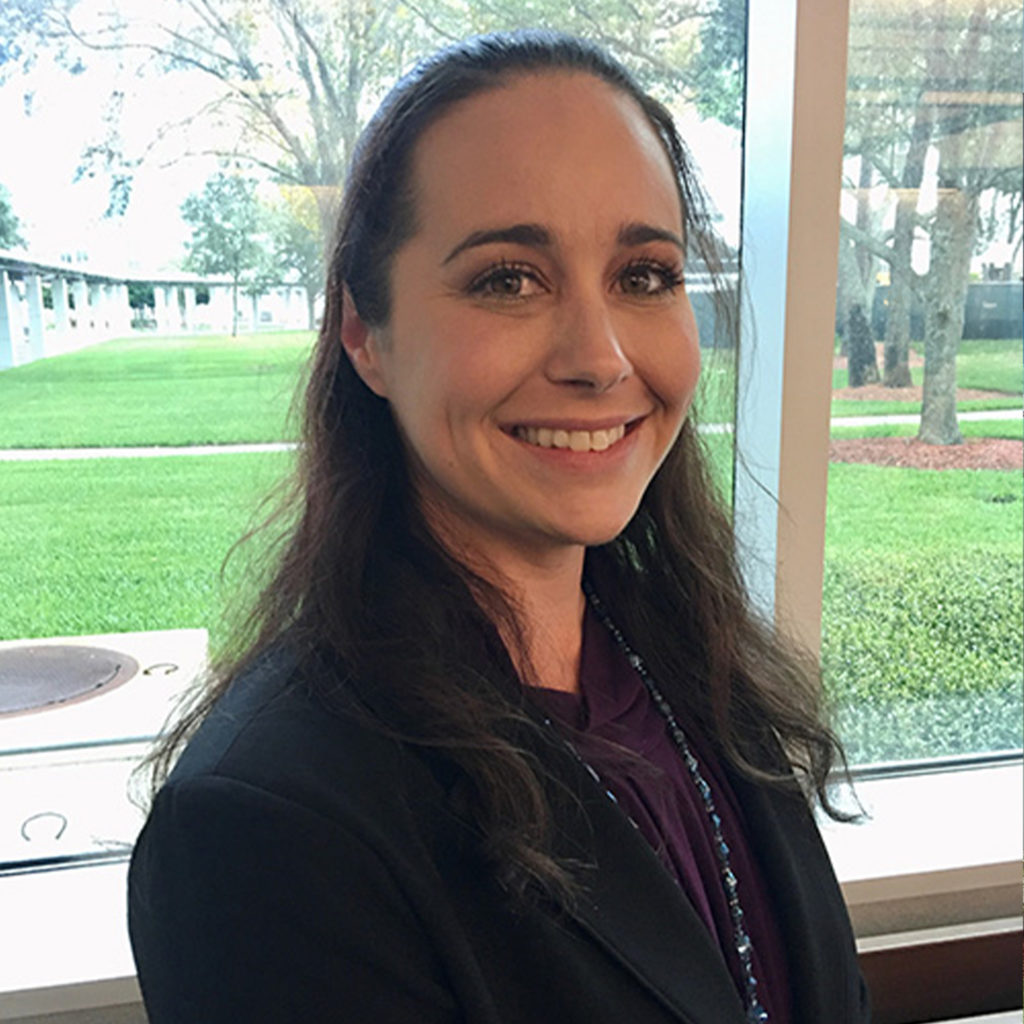
Stacey Prince
Stacey Prince
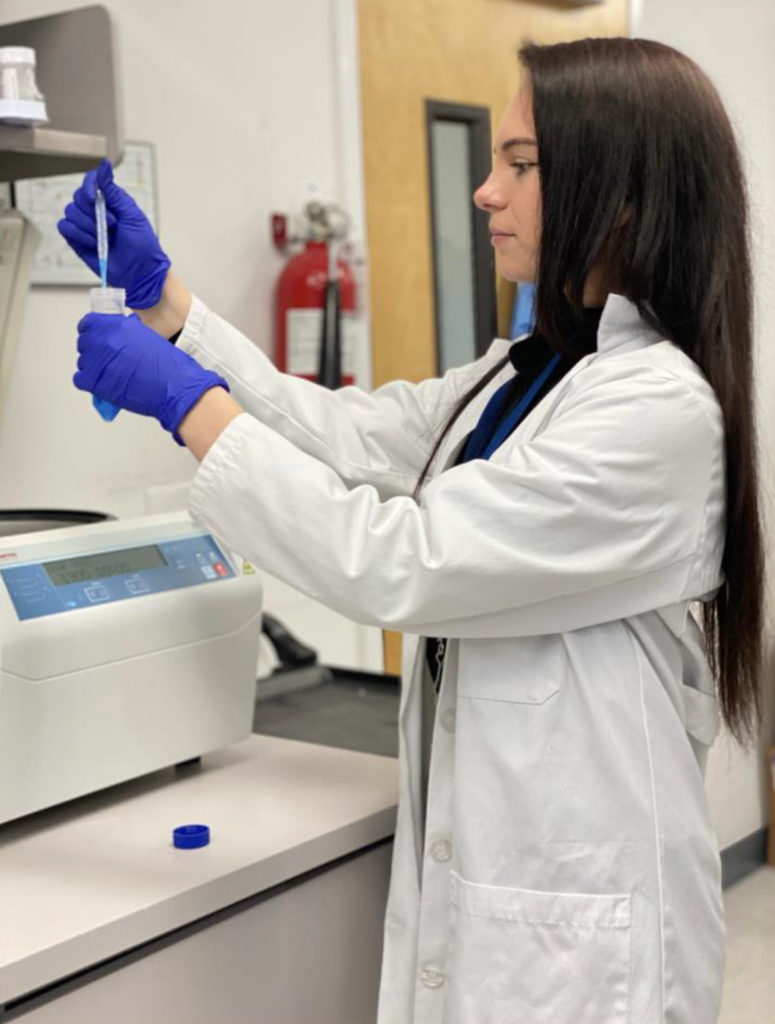
Sarah Elam
Sarah Elam
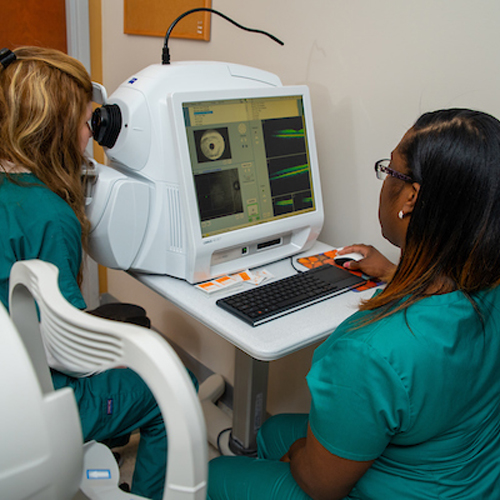
Opthalmic Technician Program
Opthalmic Technician Program

Matthew Steinmetz
Matthew Steinmetz
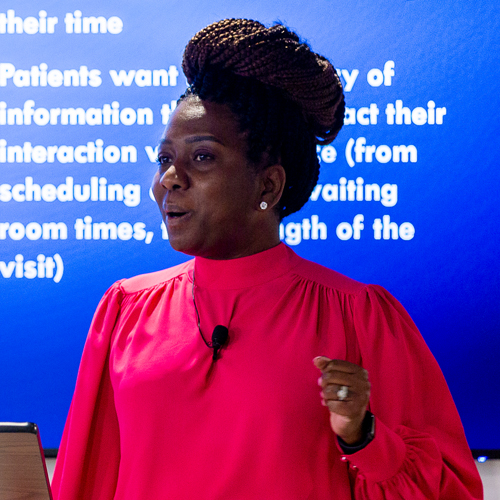
Kat Hasanovic
Kat Hasanovic
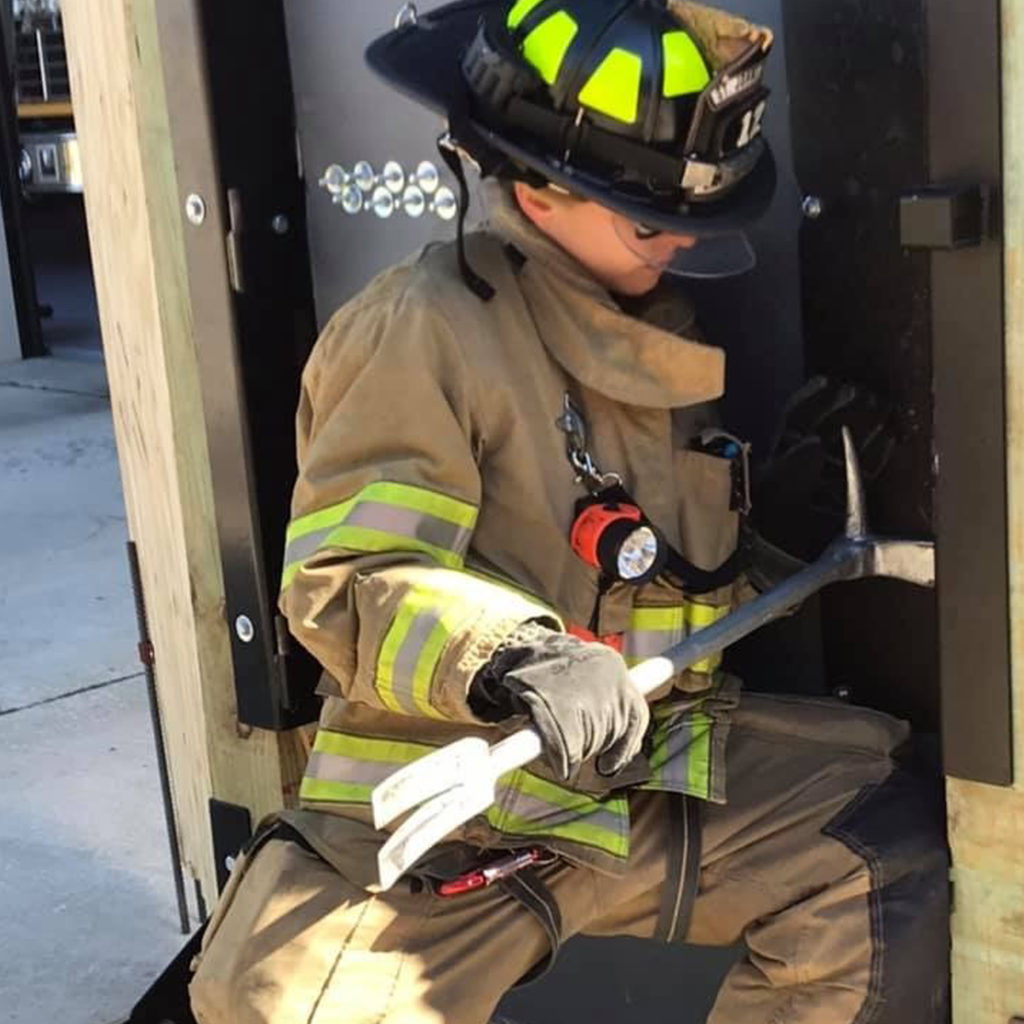
Sammie Fendig
Sammie Fendig

Guidewell
Guidewell
Almira
Almira
Mandarin High School Health Science Academy
Mandarin High School Health Science Academy
Brandi Zofkie